How to Become a
Polygraph Examiner
Polygraph examiners play a critical role in credibility assessment, investigative support, and truth verification. For people interested in investigative work, psychology, and structured interviewing, becoming a polygraph examiner can be both professionally rewarding and intellectually challenging.
Understanding the Role of a Polygraph Examiner
A polygraph examiner's work extends far beyond operating instrumentation. The core of the profession is the structured interview process. Examiners conduct detailed pre-test interviews, carefully construct test questions, administer validated testing formats, analyze physiological data, and prepare formal reports that may be used in administrative, legal, or investigative contexts.
The quality of an examination depends heavily on the examiner's ability to remain objective, follow standardized procedures, and interpret data without bias. Professional examiners must also be capable of explaining their findings clearly and defending their methodology when necessary.
The Core Responsibilities
Professional polygraph work blends technical skill, structured interviewing, and clear documentation. The responsibilities most candidates should understand before entering the field include:
Pre-Test Interviews
Conducting structured interviews to establish context, rapport, and clarity on the issues under investigation.Physiological Analysis
Analyzing respiration, cardiovascular activity, and electrodermal responses to render objective opinions.Formal Reporting
Preparing structured, defensible reports that explain findings, procedures, and conclusions clearly.Professional Neutrality
Remaining impartial while handling sensitive, high-stakes matters across legal and investigative settings.Meeting Basic Eligibility Requirements
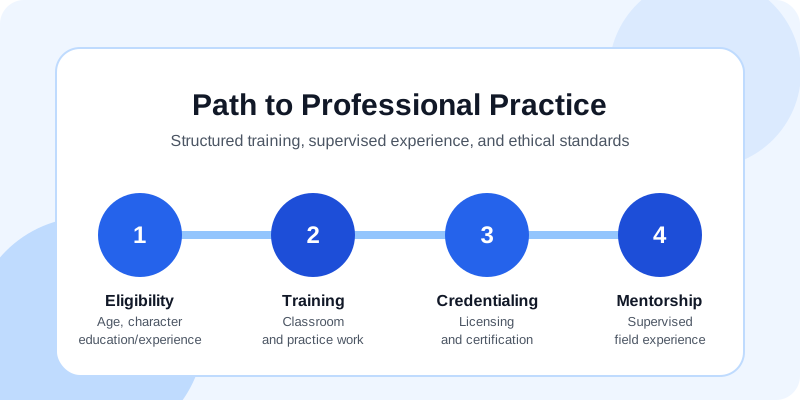
Most reputable polygraph training programs require applicants to meet minimum eligibility standards. Candidates are generally expected to be at least 21 years old and possess a high school diploma, although many programs prefer or require a bachelor's degree. A clean criminal background and strong moral character are essential because credibility and professional integrity are foundational to the field.
Many examiners come from backgrounds in law enforcement, military service, criminal justice, psychology, or investigative work. Prior law enforcement experience is common, but it is not universally required, particularly for those entering private practice.
Common eligibility standards include:
- Being at least 21 years old for most accredited training programs
- Having a high school diploma at minimum, with a bachelor's degree preferred by many programs
- Maintaining a clean criminal background and demonstrated moral character
- Bringing relevant experience in law enforcement, military service, psychology, or investigative work when available
Completing Accredited Polygraph Training
The most important step toward becoming a polygraph examiner is graduating from a reputable and accredited polygraph training program. Professional schools typically offer comprehensive programs lasting several months and include hundreds of hours of classroom instruction and practical exercises.
Training commonly covers:
- Psychophysiology, polygraph theory, and ethics
- Structured interviewing techniques and validated test formats
- Chart analysis, report writing, and legal considerations
- Supervised examinations that help students build competency before independent practice
Selecting an accredited school is critical. Accreditation helps ensure the curriculum meets recognized professional standards and prepares graduates for certification and licensing where required. Check out our partner Marston Polygraph Academy for an example of an accredited school.
Certification and Licensing
Licensing requirements vary by state and country. Some jurisdictions require examiners to obtain a state license, which may involve passing an examination, completing a specified number of supervised field hours, and maintaining continuing education credits.
State Licensing
State rules may require a formal licensing examination, supervised field hours, continuing education, and compliance with jurisdiction-specific procedures. Requirements can vary significantly, so candidates should review the rules where they intend to practice.
Professional Certification
Professional certification through recognized associations can demonstrate adherence to validated techniques, ongoing education, and professional standards. Even where licensing is not mandatory, certification can strengthen credibility and professional standing.
Completing an Internship or Mentorship
Newly trained examiners typically enter a supervised internship period under an experienced professional. This mentorship phase allows the examiner to refine interviewing techniques, gain real-world experience, and receive feedback on chart interpretation and case management.
Polygraph examination is both technical and interpersonal. Classroom instruction provides foundational knowledge, but practical experience under supervision is essential to achieving professional competency and confidence.
Developing Professional Competence
Success in the polygraph profession requires more than technical training. Strong interpersonal skills are essential, particularly during the pre-test interview, which establishes rapport and clarifies the issues under investigation. Analytical thinking is equally important because examiners must apply validated scoring systems objectively and avoid personal bias.
Core skills to develop include:
- Interpersonal communication for building rapport in sensitive situations
- Analytical thinking for interpreting physiological data accurately
- Emotional composure when handling criminal allegations, workplace misconduct, and other high-stakes matters
- Report writing that documents procedures, findings, and conclusions in a clear structure
Career Opportunities in Polygraphy
Polygraph examiners may work in a variety of professional settings, from government agencies and law enforcement to independent private practice. The diversity of career paths is one of the profession's most compelling attributes.
Law Enforcement
Assisting with criminal investigations, internal affairs matters, and pre-employment screening.Government Agencies
Conducting security clearance screenings and national security examinations.Private Practice
Handling civil disputes, theft investigations, corporate matters, and personal relationship cases.Professional Growth
Building long-term standing through ethical standards and objective reporting.Continuing Education and Professional Growth
The field of polygraphy continues to evolve through research and validation studies. Professional examiners are expected to maintain continuing education, attend seminars or conferences, and remain current with industry standards. Ongoing education supports best practices and strengthens the reliability and credibility of examinations.
A typical professional path looks like this:
- Complete accredited training and obtain required licensing or certification
- Build competency through mentored internship and real-world examination experience
- Attend seminars, conferences, and training updates to remain current with evolving research
- Establish professional standing through consistent ethical standards and objective reporting
Is Becoming a Polygraph Examiner Right for You?
A career as a polygraph examiner is well suited to individuals who are disciplined, analytical, and comfortable conducting structured interviews. It requires integrity, attention to detail, and the ability to remain impartial in emotionally charged situations.
Becoming a polygraph examiner is not a casual undertaking. It demands formal education, supervised training, certification, and a long-term commitment to professional standards. For those willing to meet these requirements, the profession offers an opportunity to contribute meaningfully to investigative processes and credibility assessment while building a respected and sustainable career.
About the Author

Marc Mitchell is a founder of PolygraphReports.com, a software platform designed specifically for polygraph report writing. He is a retired police officer and practicing polygraph examiner. His work focuses on improving report clarity, consistency, and defensibility while keeping examiner judgment and responsibility firmly in human hands.